Hot brass forging turns a heated billet into a near-net-shape part, using less material, less machining and giving more strength than the same part cut from bar stock. For series buyers, this usually means a lower unit cost and a more reliable part. This guide shows when forging pays off, which alloys to use, how to design the part and what to send to get a fast quote.
ITA Industrial has been forging non-ferrous metals since 1976 in Embu das Artes, São Paulo, Brazil, with presses from 60 to 450 tons, in-house toolmaking and CNC machining in the same plant.
What is hot brass forging
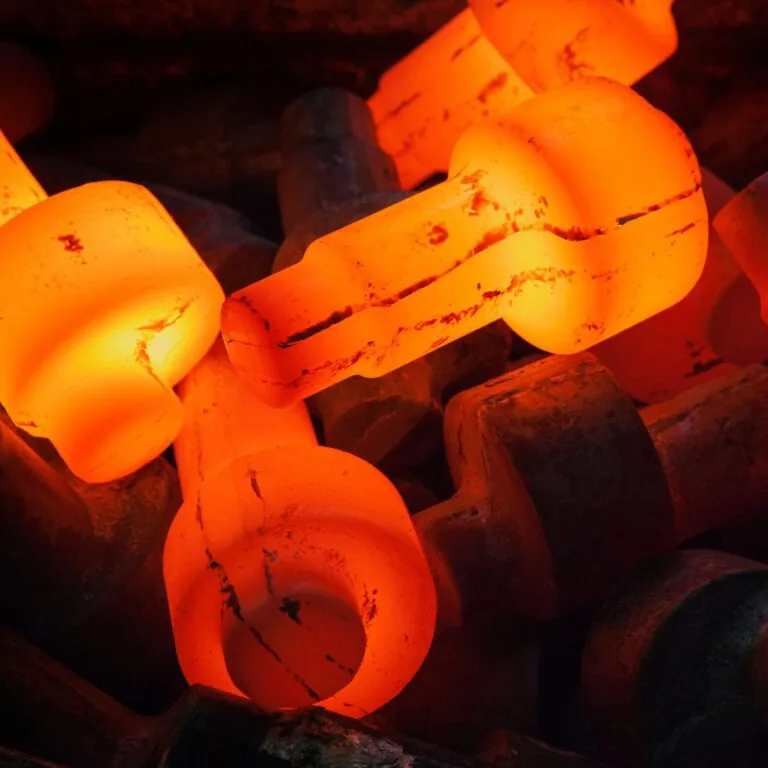
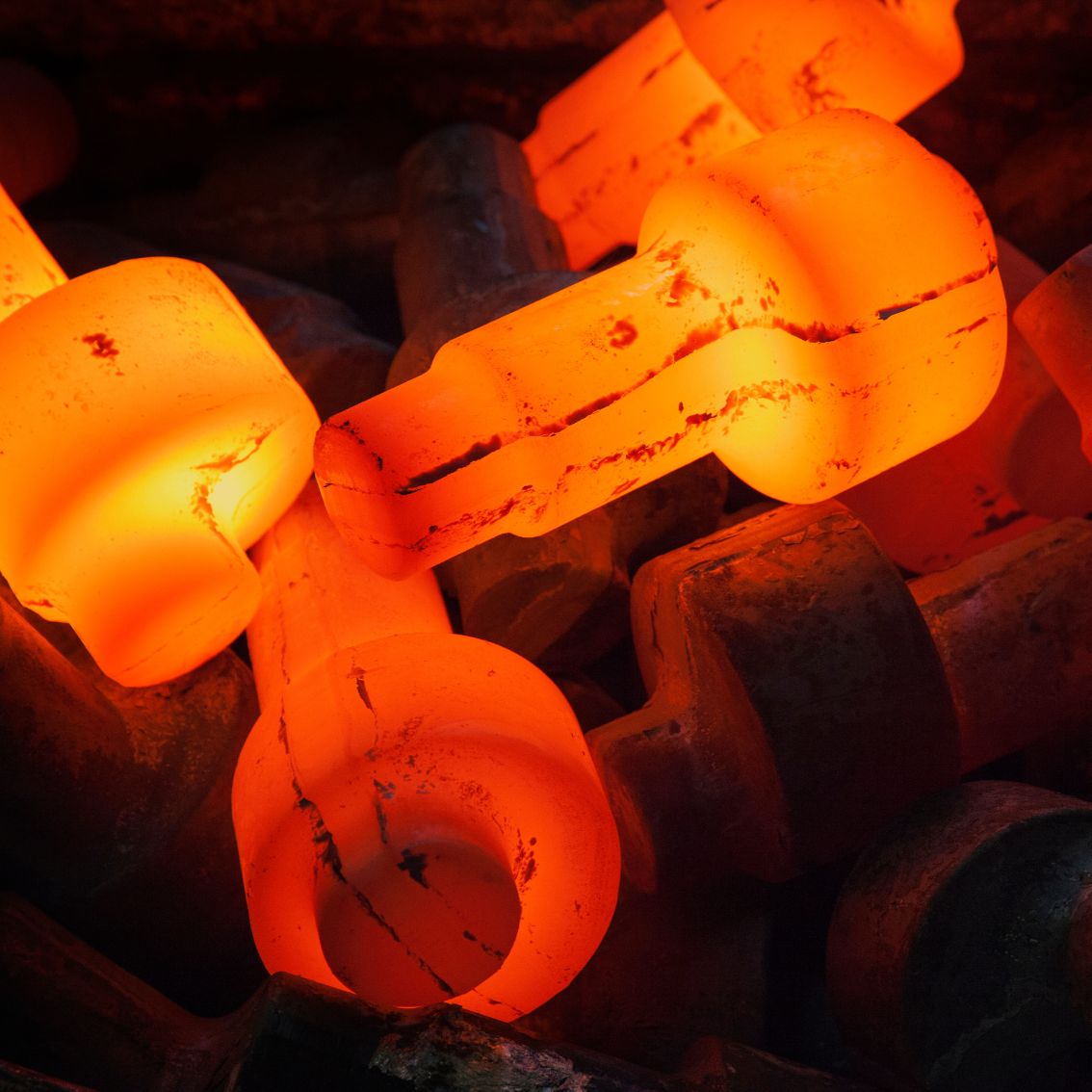
In closed-die hot forging, a piece of bar (the billet) is heated until it becomes plastic, around 650 to 750 °C for brass, and pressed between two halves of a steel die. The metal fills the cavity and takes the shape of the part. The excess escapes through the parting line and forms the flash, which is then trimmed.
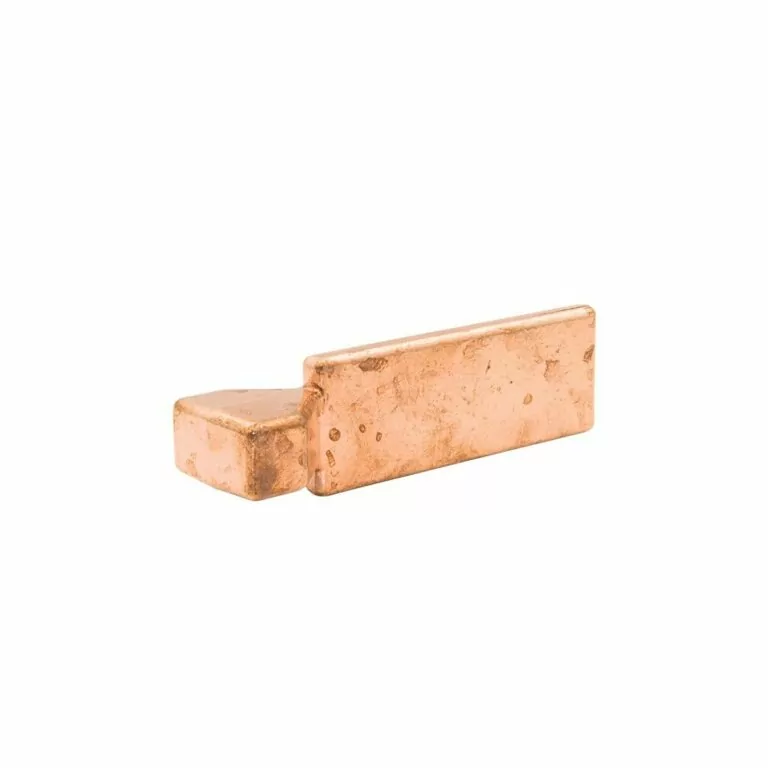
The result is a near-net-shape part that only needs machining on functional surfaces, such as threads, holes and sealing faces.
Forged or machined from bar: when each one pays off
| Criterion | Hot forged + machined | Machined from bar |
|---|---|---|
| Material yield | High: the part starts close to its final shape | Low for parts with a wide body and thin sections: much of the bar becomes chips |
| Mechanical strength | Higher: the metal grain follows the contour of the part | The grain is cut by machining |
| Porosity and leaks | Dense structure, suited to pressure parts | Good in rolled bar; castings may be porous |
| Upfront investment | Requires a die | No specific tooling |
| Best volume range | Medium and large recurring batches | Prototypes and small batches |
| Typical geometries | Bodies with arms, flanges, cavities and hexagons | Simple cylindrical parts |
In practice, forging wins when the part has an irregular shape, when the required bar would be much larger than the finished part or when the part works under pressure. Valve bodies are the classic example.
Because the die is an investment, forging pays off in series production. That is why ITA works with medium and large volume programs with recurring deliveries, not one-off parts.

Alloys we forge
| Material | Common designations | Typical applications |
|---|---|---|
| Forging brass | CuZn40Pb2 · CW617N · C37700 | Valve bodies, fittings, plumbing and gas parts |
| Free-cutting brass | CuZn39Pb3 · CW614N · C36000/C38500 | Bar-machined parts, connectors, special screws |
| Copper | Cu-ETP · C11000 | High-conductivity electrical terminals and connectors |
| Aluminum | Forgeable alloys, such as the 6xxx series | Light parts: spray guns, handles, machine components |
| Stainless steel | Per project | Machined components for specific projects |
Forging and machining capacity
- Hot forging: presses from 60 to 450 tons, parts up to 5 kg in brass, copper and aluminum.
- Stamping: presses up to 120 tons.
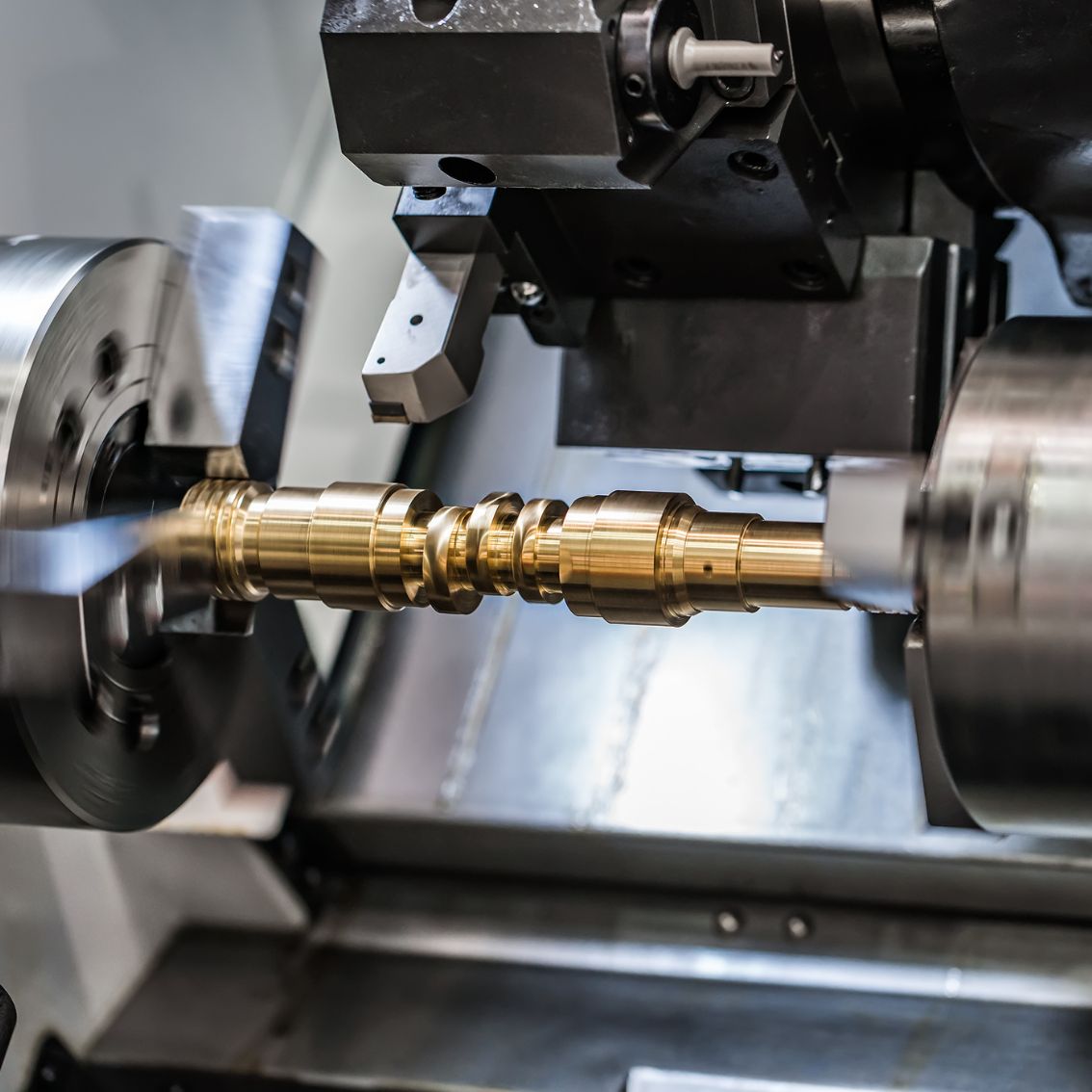
- Machining: pallet-changer machining centers, CNC lathes with live tooling, Swiss-type lathes, automatic lathes, transfer machines and dedicated cells.
- Finishing: deburring, thread rolling and vibratory polishing.
- Surface treatments: nickel, chrome and tin plating, among others, per project.
- Assembly: series assembly cells with leak testing.
How to design a part for forging
- Draft angle. Walls parallel to the press stroke need a taper so the part can leave the die. In brass, small angles of 1° to 3° are usually enough.
- Generous radii. Sharp corners hinder metal flow and wear the die.
- Parting line. It affects the flash, the machining fixture and the look of the part.
- Machining allowance only where needed, such as threads and sealing faces.
- Balanced thickness. Abrupt section changes cause filling defects.
- Holes and cavities. Shallow cavities can be forged; deep holes and threads are machined.
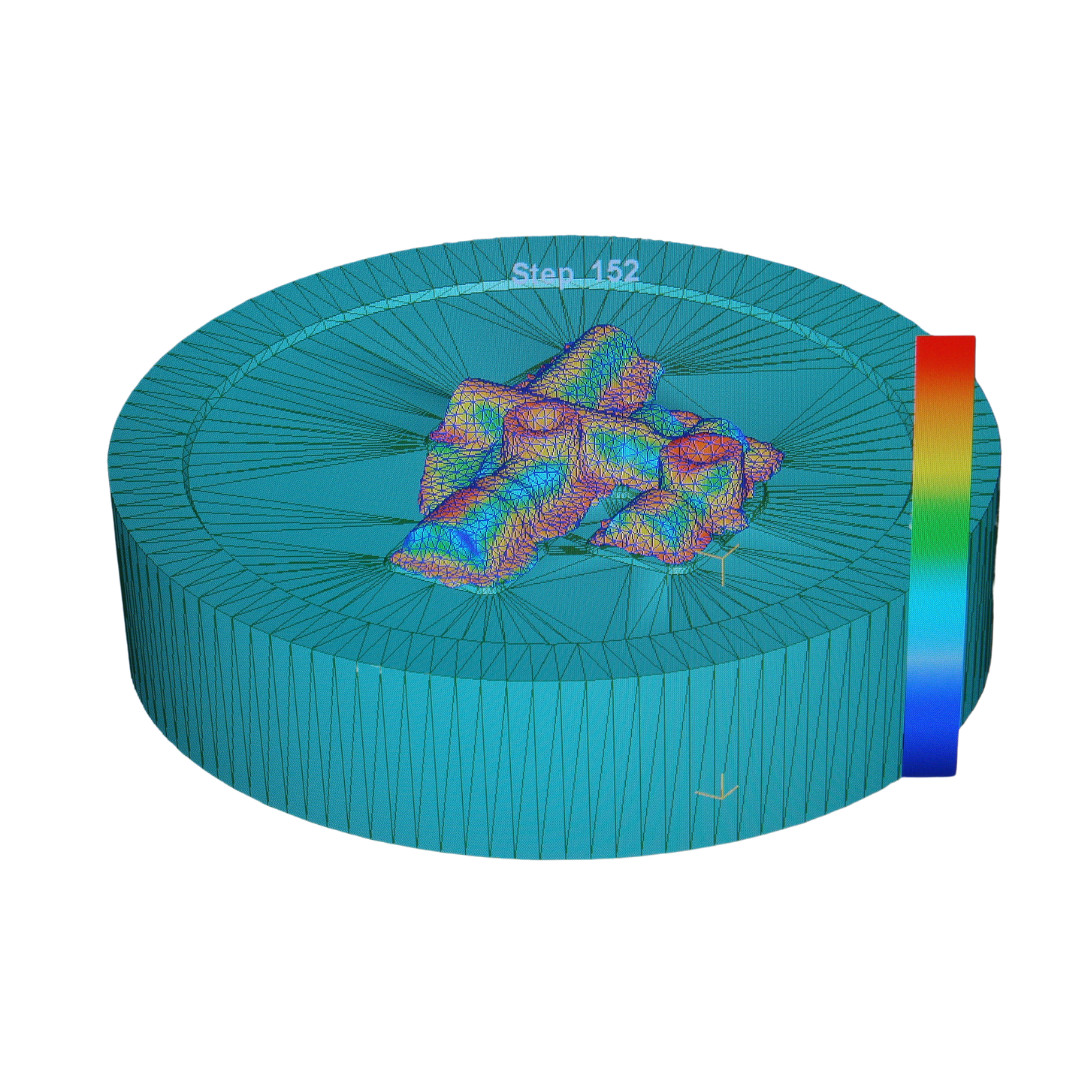
Before opening the die, we simulate forging and machining in CAE/CAM software to check die filling, possible folds and the ideal billet weight.
Tooling: in-house dies, competitive cost and fast adjustments
The die is the main investment in a forged part. At ITA, it is designed and made by our own toolroom, in the same plant: competitive cost, short lead time and fast adjustments during sample approval and over the life of the part. The die cost depends on the size and complexity of the part and is quoted with the parts.
From drawing to first parts: 30 to 45 days
- Drawing review by our engineering team, with design-for-forging suggestions.
- 3D-printed prototype, when useful to validate shape and fit.
- Forging and machining simulation.
- Die manufacturing in our toolroom.
- First parts for approval in 30 to 45 days, depending on the project, with a dimensional report.
- Series production with scheduled deliveries.
Quality documentation as required: material certificate, dimensional report and lot traceability. ITA is ISO 9001:2015 certified by Fundação Vanzolini.
Examples of parts we produce
- Kärcher: Turbo nozzle and pump head for high-pressure washers, in forged brass.
- Jacto: rotor for agricultural equipment, in forged brass.
- Fire protection: sprinkler bodies and valves.
- Automation and fluids: solenoid valve bodies and covers.
- Electrical sector: forged copper terminals and connectors.
- Machines and tools: forged aluminum parts.
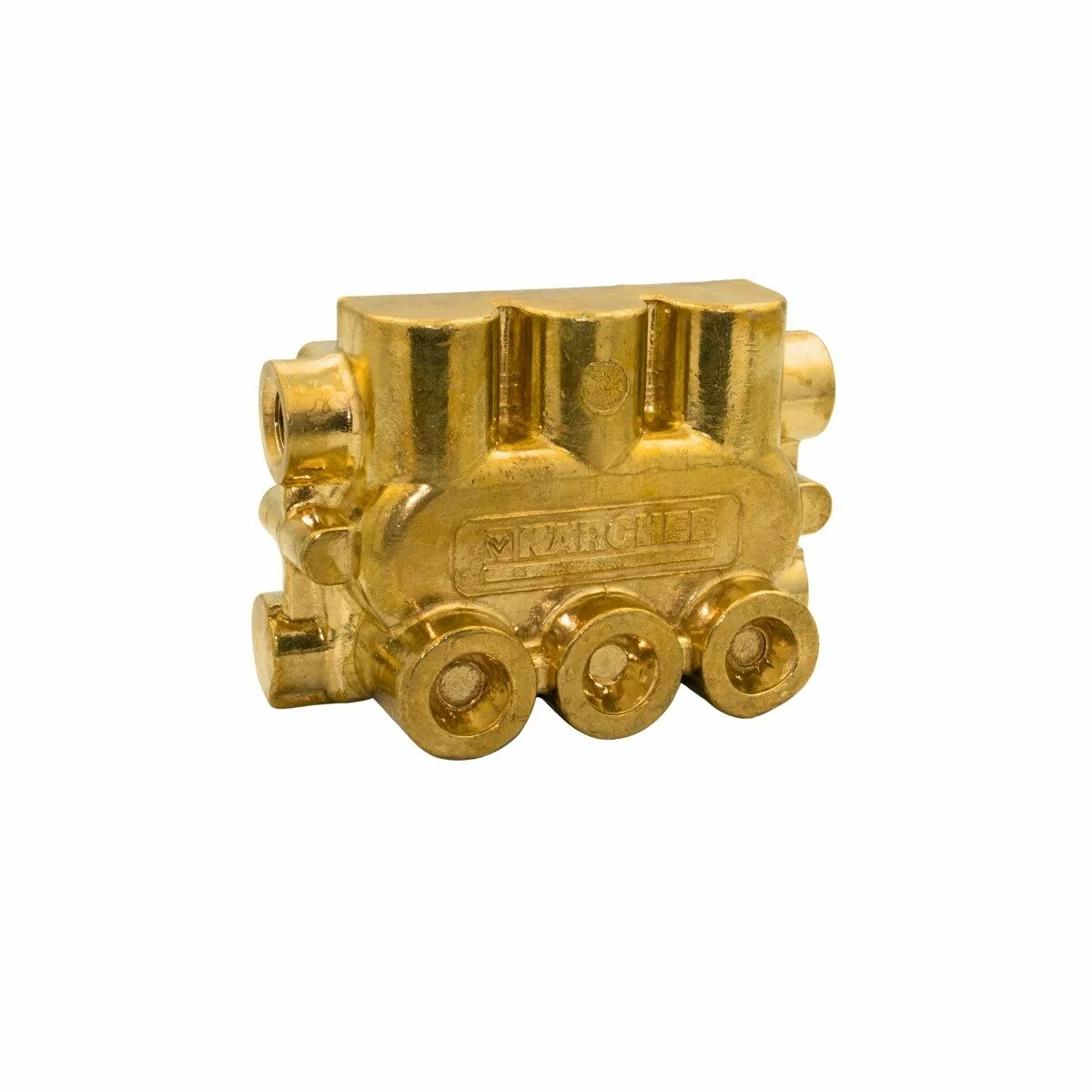
See more parts in our Custom Products line.
What to send for a fast quote
- 2D drawing (PDF or DWG) and, if available, 3D model (STEP).
- Required alloy or part application.
- Estimated annual volume and batch size.
- Surface treatment, if any.
- Standards or end-customer requirements (for example, PPAP).
Frequently asked questions
What is the maximum weight of a forged part at ITA?
We forge parts up to 5 kg, with presses from 60 to 450 tons.
How long does it take to receive the first parts?
Between 30 and 45 days, depending on the project, including die manufacturing.
Do you make prototypes before the die?
Yes. When it makes sense, we validate shape and fit with 3D-printed prototypes.
Who makes the die?
Our own toolroom, in the same plant.
Do you deliver machined and finished parts?
Yes. We deliver forged, machined, surface-treated and even assembled and tested parts.
What is the minimum volume?
It depends on the part size. We focus on medium and large series programs with recurring deliveries.
Talk to our engineering team
Send your drawing and annual volume to contato@itaindustrial.com.br or reach us on our Contact page. Our engineers will review feasibility and send a technical and commercial proposal.