Importing brass and copper parts from China usually looks cheap on the quote. But the FOB price is only the start: exchange rate, freight, import taxes, idle inventory and months of lead time all add to the real cost. This guide shows when it pays to source the part in Brazil, how the supplier switch works and what to send to get a proposal.
ITA Industrial has been forging non-ferrous metals since 1976 in Embu das Artes (São Paulo, Brazil), with engineering, toolroom, forging, machining and assembly under one roof.
What reshoring a part means
Reshoring a part means making it in Brazil with the same function, dimensions and material specification as the part you import today. In practice, the new supplier starts from your drawing and samples of the imported part, defines the process, builds the tooling and submits first parts for your approval before series production.
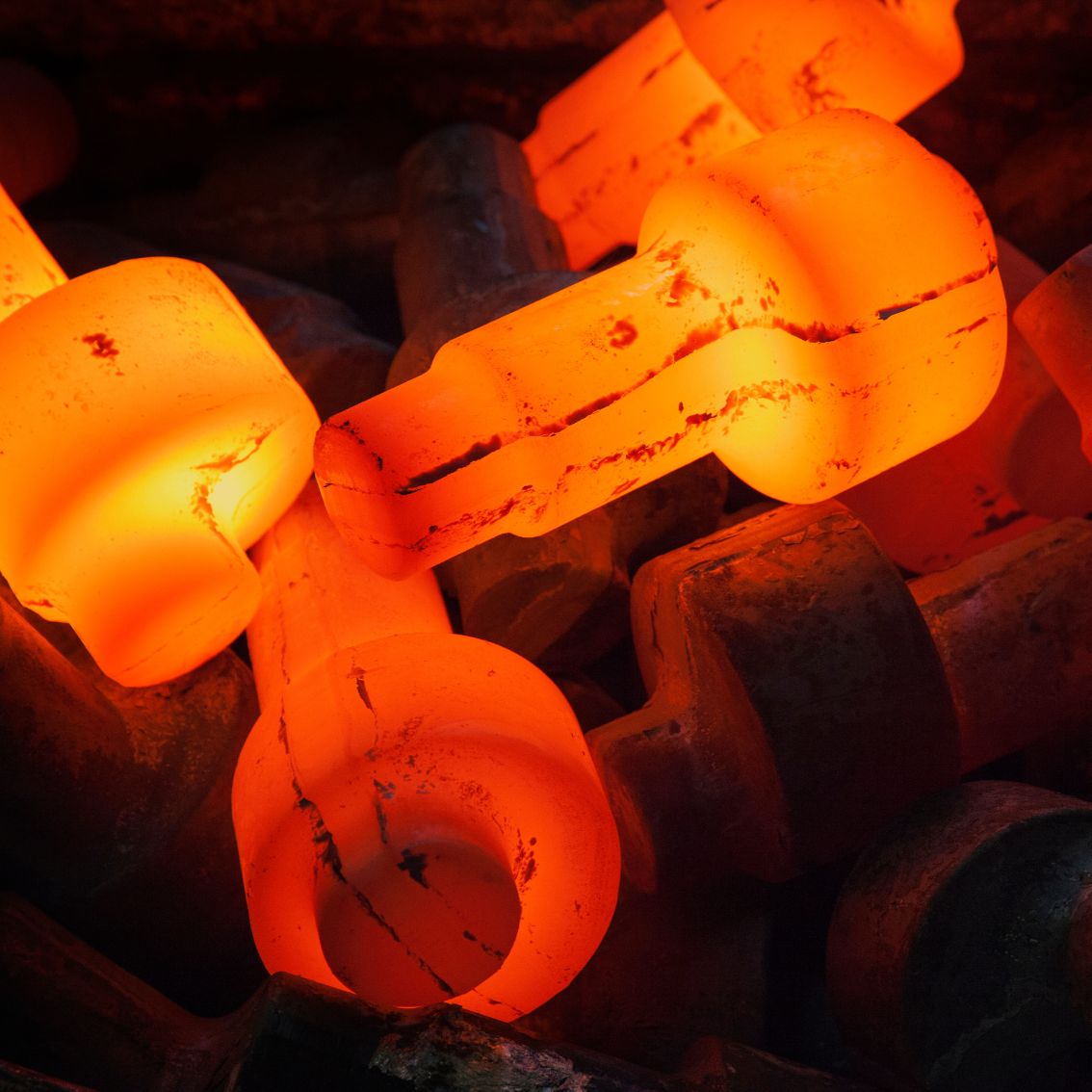
For brass and copper parts with irregular shapes, reshoring is also a chance to review the process. A part machined from bar today can be hot forged, with less material waste and higher strength. We explain that choice in our guide to custom hot brass forging.
The FOB price is not the cost of the part
To compare a supplier in China with one in Brazil, compare the total cost of the part delivered to your line, not the unit price on the quote.
| Criterion | Imported part | Part made at ITA |
|---|---|---|
| Currency | Priced in dollars: cost changes with the exchange rate between order and payment | Priced in reais |
| Costs beyond the price | International freight, insurance, customs clearance, storage and Brazilian import taxes (II, IPI, PIS/COFINS-Import and ICMS) | Domestic freight and domestic sales taxes |
| Replenishment lead time | Production plus weeks of ocean freight and customs clearance | Scheduled deliveries from Embu das Artes (SP) |
| Inventory | Large container-sized lots plus safety stock to cover transit | Recurring deliveries scheduled to consumption |
| Drawing changes | Slow: the lot in transit already ships with the old revision | Die adjustments made by our own toolroom |
| Quality problems | Found months after production, with the lot already paid for and in Brazil | Handled with engineering and quality at the plant, with lot traceability |
| Technical contact | Remote, in another language and time zone | Engineering team you can visit at the plant |
Once all these items go into the spreadsheet, the price gap that looked large on the quote usually shrinks a lot. In some cases it reverses.
Signs it is time to reshore
- Recurring, predictable consumption. The part is used every month, in a known volume, and will stay in the product for years.
- High inventory just to cover transit. A large share of working capital is sitting in imported parts.
- Exchange rate eroding margin. The part cost changes with every shipment and your product price does not follow.
- Rejected or reworked lots. Each quality problem takes months to fix.
- Frequent engineering changes. Every drawing revision leaves obsolete parts in transit or in stock.
- End-customer requirements. Your customer asks for traceability, material certificates or PPAP part approval.
When importing may still make sense
Reshoring involves a die, sample approval and development. That investment pays off in volume. For low or sporadic consumption, or catalogue items without a dedicated drawing, switching suppliers rarely pays. ITA focuses on medium and high-volume series programs with recurring deliveries.
How reshoring works at ITA
- Drawing and samples. You send the 2D drawing and, if available, the 3D model, together with samples of the imported part and the annual volume. If you only have the part, our engineers reverse-engineer it from the samples.
- Engineering review. We check the alloy composition of the sample by X-ray analysis, assess process (forged or machined from bar), tolerances and finish, and suggest design changes when they reduce cost.
- Simulation and prototype. We simulate forging and machining in CAE/CAM software and, when useful, validate shape and fit with a 3D-printed prototype.
- Die made in our own toolroom. Tooling is designed and built in the same plant, and its cost is quoted with the part. The die can remain ITA’s responsibility or be owned by the customer.
- First parts for approval. In 30 to 45 days, depending on the project, with a dimensional report to compare against the imported part.
- Series production. After approval, the part goes into production with scheduled deliveries, with lead times in the same 30 to 45-day range, depending on volume.
A common practice is to keep the import supplier until the first domestic lot is approved, so your line never stops during the transition.
Parts we make
Hot-forged, machined, surface-treated and assembled parts in brass, copper and aluminum. Some families we produce today:
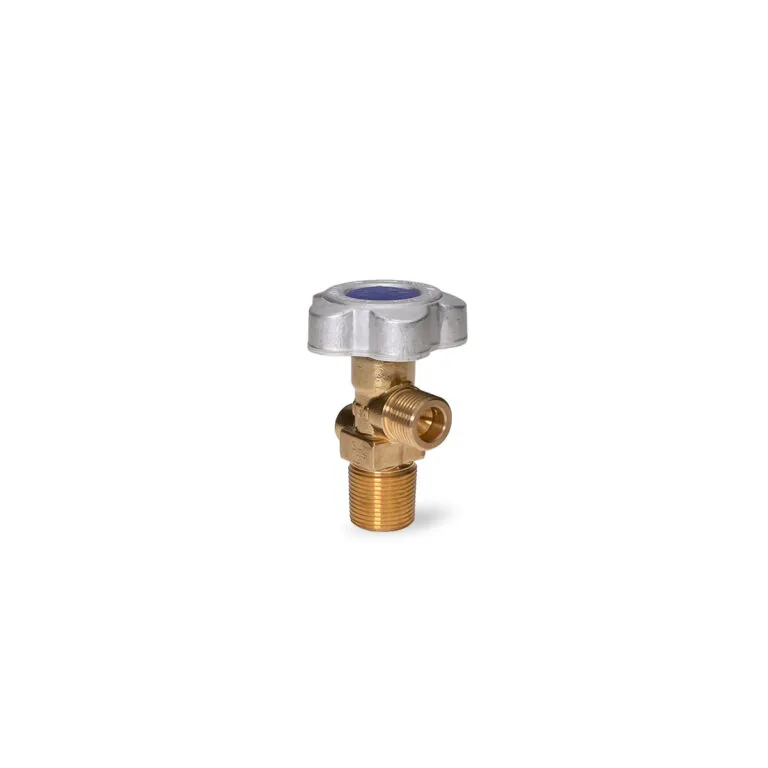
- Brass valve bodies, fittings and stopcocks.
- Solenoid valve bodies and covers.
- Sprinkler bodies and fire-fighting components.
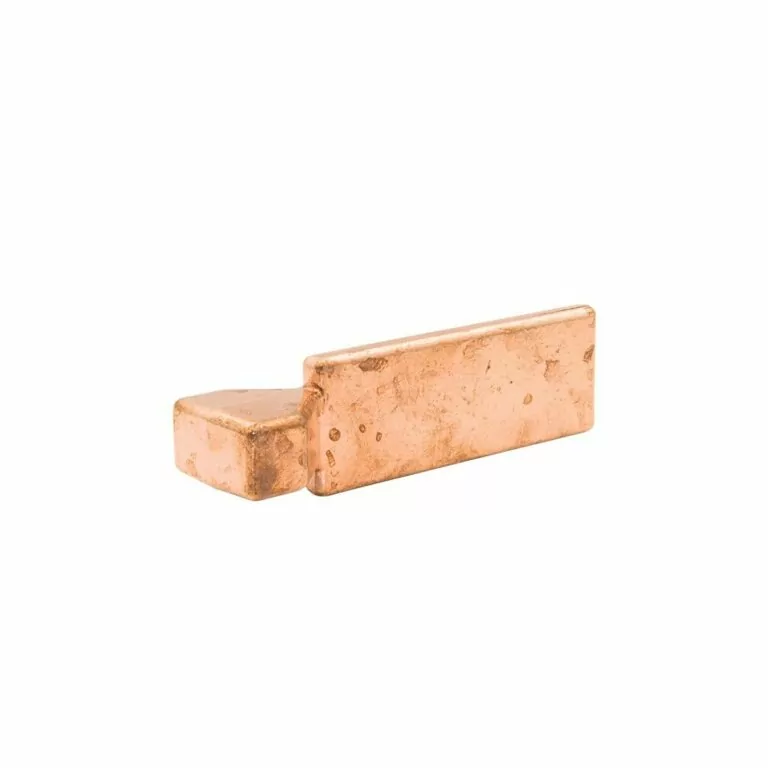
- Forged copper electrical terminals and connectors.
- Forged aluminum parts for machines and tools.
Reshoring examples
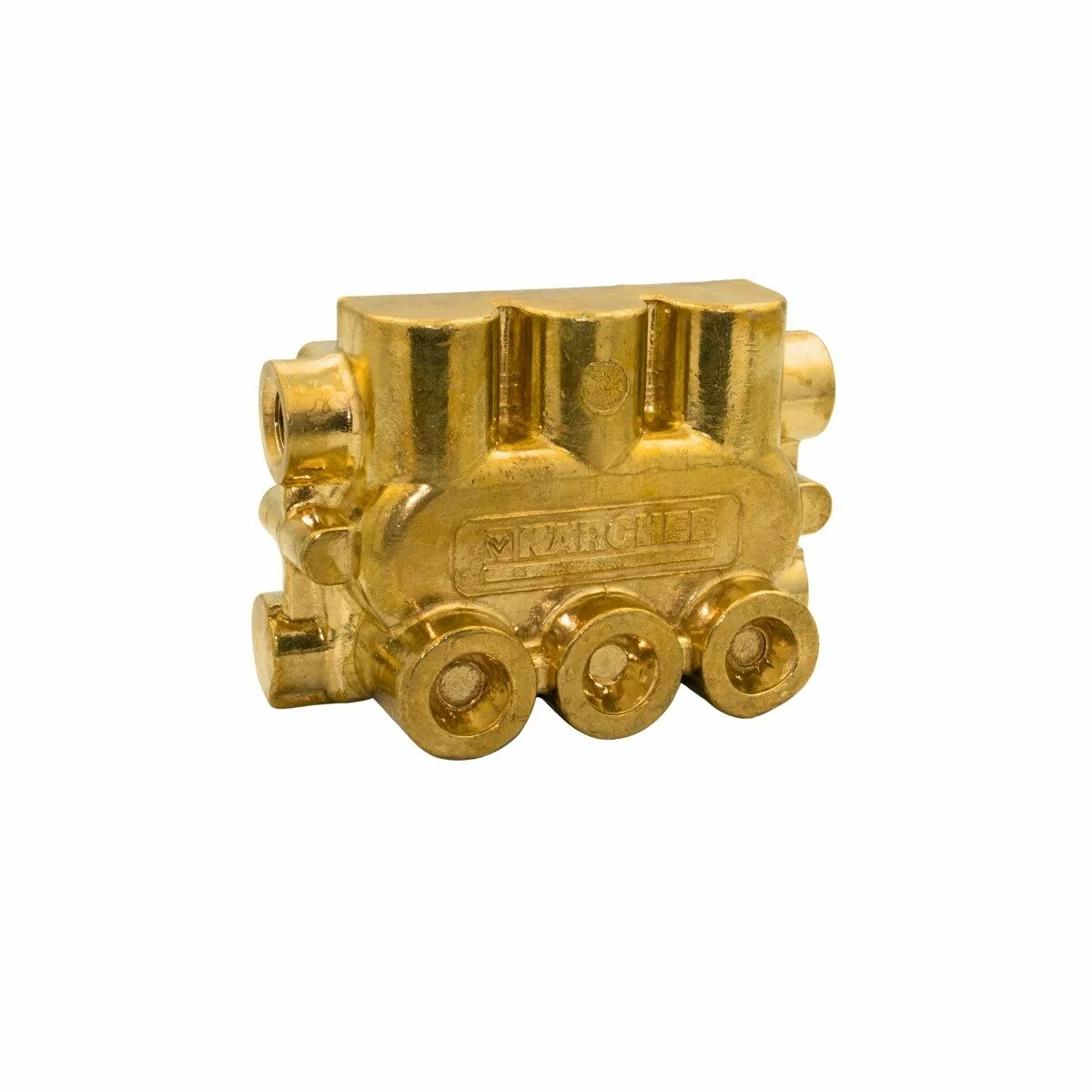
Two examples of parts now made in Brazil by ITA: the turbo nozzle and head of Kärcher high-pressure washers, and the rotor of Jacto agricultural equipment, forged in brass and machined at our plant.

| Material | Common designations | Typical applications |
|---|---|---|
| Forging brass | CuZn40Pb2 · CW617N · C37700 | Valve bodies, fittings, hydraulic and gas parts |
| Free-cutting brass | CuZn39Pb3 · CW614N · C36000/C38500 | Bar-machined parts, connectors, special screws |
| Copper | Cu-ETP · C11000 | Electrical terminals and connectors |
| Aluminum | Forgeable alloys such as the 6xxx series | Light parts for machines and tools |
Capacity
- Hot forging: 60 to 450-ton presses, parts up to 5 kg.
- Stamping: presses up to 120 tons.
- Machining: pallet-changer machining centers, CNC lathes with live tooling, Swiss-type lathes, automatic lathes, transfer machines and dedicated cells.
- Finishing: deburring, thread rolling and vibratory polishing.
- Assembly: series assembly cells with leak testing.
How to make sure the domestic part matches the imported one
Approval relies on documents, not appearance. At ITA, quality documentation includes material certificates, dimensional reports and lot traceability. Raw material composition is checked by X-ray analysis. We are ABNT NBR ISO 9001:2015 certified by Fundação Vanzolini.
For parts that work under pressure, our in-house ITALAB® laboratory runs pressure, leak, function and durability tests. See how our quality department works.
What to include in your request for quotation
- 2D drawing (PDF or DWG) and, if available, 3D model (STEP).
- Samples of the imported part (without a drawing, samples are enough for reverse engineering).
- Current alloy and, if available, the supplier’s material certificate.
- Estimated annual volume and lot size.
- Surface treatment and whether the part is delivered assembled.
- Standards or end-customer requirements (for example, PPAP).
- Target date for the first domestic lot and current stock of the imported part.
Frequently asked questions
How long does it take to reshore a part?
First parts for approval ship in 30 to 45 days, depending on the project, including die manufacturing. Then come your approval and series production.
Do I need a drawing of the part?
Not necessarily. If you only have the imported part, our engineers reverse-engineer it from samples. If you have a 2D or 3D drawing, send it with the samples.
What is the minimum volume?
It depends on the size and complexity of the part. Because the die is an investment, we focus on medium and high-volume series programs with recurring deliveries.
Can ITA use the same alloy as the imported part?
We work with forging brass (CW617N), free-cutting brass (CW614N), copper and aluminum. If your drawing calls for another alloy, our engineering team assesses feasibility.
Who owns the die, ITA or the customer?
We work both ways: the die can remain ITA’s responsibility, or be owned by the customer and used by ITA in production. Tooling cost is quoted together with the part.
Do you deliver finished parts?
Yes. We deliver the part forged, machined, surface-treated and, when needed, assembled and tested.
Talk to our engineering team
Do you import brass, copper or aluminum parts and want to compare total cost with manufacturing in Brazil? Send the drawing, samples and annual volume to contato@itaindustrial.com.br. Our engineers will assess feasibility and reply with a technical and commercial proposal. See also our Custom Products line.