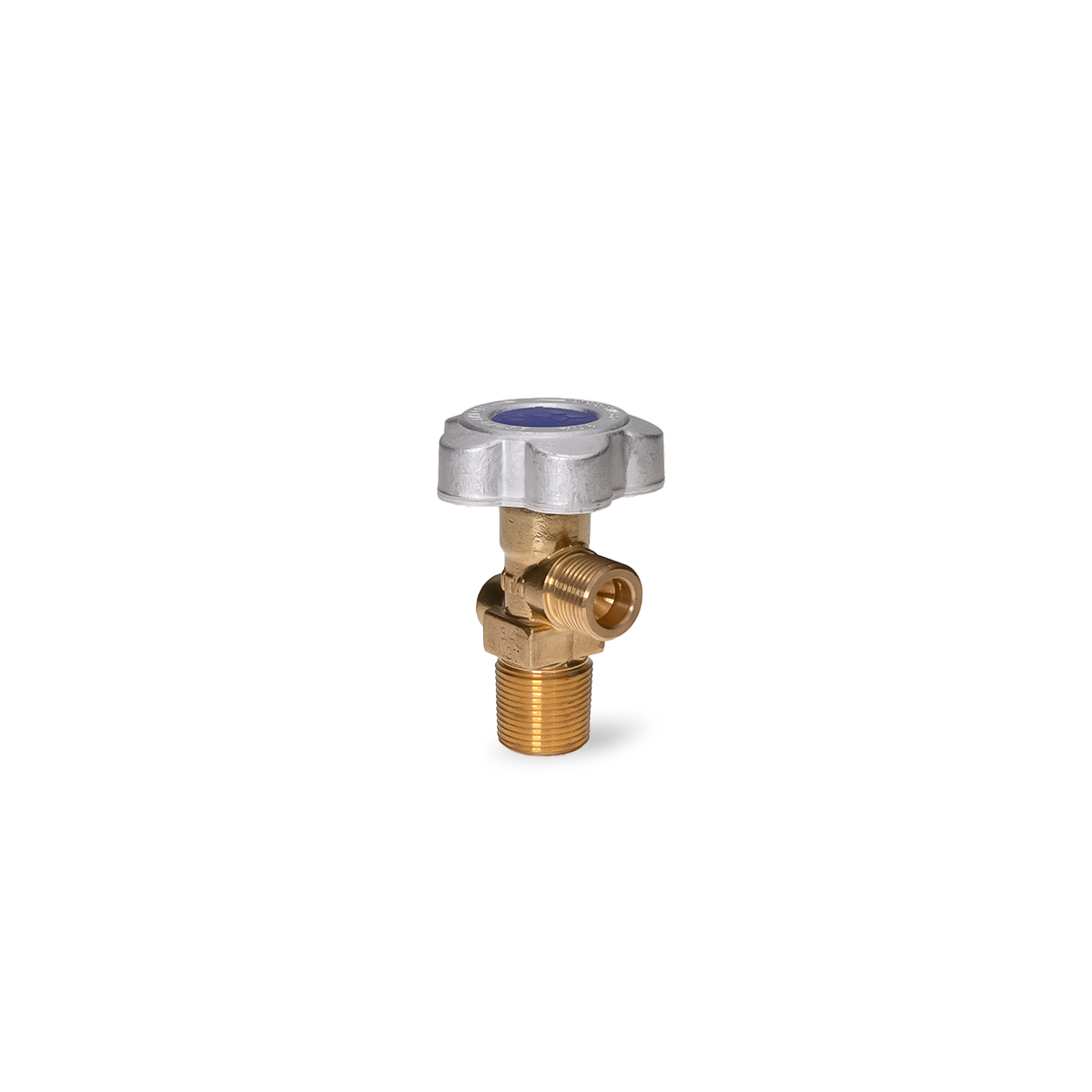
The right industrial gas cylinder valve is defined by four pieces of data: the gas, the outlet connection, the inlet thread into the cylinder and the working pressure. Getting any of them wrong prevents filling or, worse, compromises safety. This guide explains each criterion and includes a reference table with the combinations most used in Brazil.
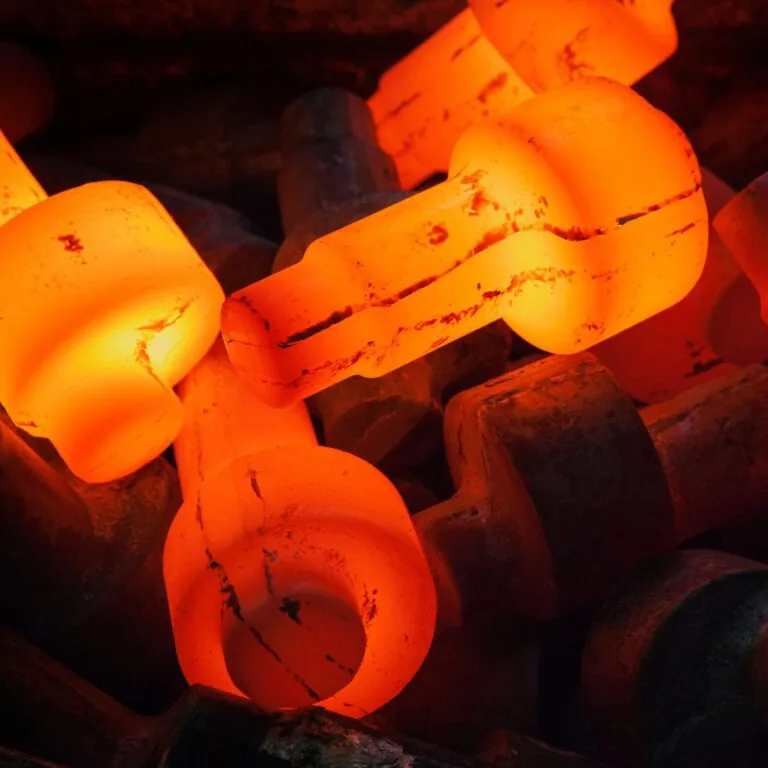
ITA Industrial manufactures gas cylinder valves in Embu das Artes, São Paulo, Brazil, from forging the body to final testing in its own laboratory.
1. The gas defines the outlet connection
Each gas family has its own outlet connection. That way, an oxygen regulator does not fit an acetylene cylinder, and an inert gas fitting does not fit an oxidizing gas cylinder. In Brazil, these connections are standardized by ABNT NBR 11725, which gives each one a code such as 218-1 or 245-1.
Two details help identify the connection:
- Thread direction. Flammable gases, such as acetylene and hydrogen, use left-hand threads. Oxidizing and inert gases use right-hand threads.
- Internal or external thread. It changes from one gas to another and prevents accidental swapping of fittings.
For export or customers following European standards, we also offer outlets equivalent to DIN 477-1, EN 144-2 (breathing air) and ISO 228-1.
Reference table: gas × connection × inlet thread
| Gas | ABNT NBR 11725 outlet | Outlet thread | Available inlet threads | Versions |
|---|---|---|---|---|
| Oxygen (O₂) | 218-1 | W21.8 × 1/14″ right-hand, external (DIN 477-1) | 1/2″, 3/4″ and 1″ NGT · 3/4″-16 UNF · 25E | 250, 280 and 300 bar · dual outlet · oxygen-clean |
| Hydrogen (H₂) | 218-2 | W21.8 × 1/14″ left-hand, external | 1/2″ and 3/4″ NGT · 25E · 1 1/8″-12 UNF | on-off terminal valve |
| Argon, nitrogen and mixtures | 245-1 | 0.965″-14 NGO right-hand, internal | 1/2″, 3/4″ and 1″ NGT · 3/4″-16 and 1 1/8″-12 UNF · 25E | 250 and 280 bar |
| Carbon dioxide (CO₂) | 209-1 | 0.825″-14 NGO right-hand, external | M18 × 1.5 · 1/2″, 3/4″ and 1″ NGT · 3/4″-16 and 1 1/8″-12 UNF · 25E | 210 bar safety device |
| Acetylene (C₂H₂) and butane | 225-2 | 0.885″-14 NGO left-hand, internal | 3/4″ NGT · 25E · 28E | — |
| Nitrous oxide (N₂O) | 166-1 | G 3/8″ (ISO 228-1) right-hand, external | 3/4″ NGT · 25E | — |
| Sulfur hexafluoride (SF₆) | 245-2 or 262-1 | 0.965″-14 NGO left-hand, internal, or 1.030″-14 NGO | 3/4″ NGT · 3/4″-16 UNF · 25E | 280 bar |
| Compressed and breathing air | 204-1 or EN 144-2 | 0.803″-14 UNS or G 5/8″ | 1/2″ and 3/4″ NGT · 3/4″-16 UNF · M18 × 1.5 · 25E | up to 300 bar · chrome-plated |
| Chlorine and tetrafluoroethane | 262-1 | 1.030″-14 NGO right-hand, external | 3/4″ NGT | forged yoke · Monel · with or without safety device |
Standard valve pressure: 250 bar, unless otherwise stated. The table summarizes the most requested configurations. We manufacture other combinations on request.

2. The inlet thread must match the cylinder
The inlet thread is the one that secures the valve in the cylinder neck. It depends on the cylinder’s manufacturer and origin, not on the gas. Before ordering, check the marking on the neck or in the cylinder certificate.
| Type | Examples | How it seals |
|---|---|---|
| American taper | 1/2″-14 NGT, 3/4″-14 NGT, 1″-11 1/2 NGT | The thread itself seals, with tape or sealing compound |
| European taper | 25E (W28.8), 28E (W31.3) | The thread itself seals, with tape or sealing compound |
| Parallel | 3/4″-16 UNF, 1 1/8″-12 UNF, M18 × 1.5 | Washer or O-ring, because the thread only holds the valve |
The 3/4″ NGT thread is the most common in cylinders made in Brazil. The 25E appears in cylinders imported from Europe, and parallel UNF threads in high-capacity cylinders.
3. Working pressure and safety device
The valve must be specified for the cylinder’s filling pressure. Our standard line works at 250 bar, with 280 and 300 bar versions for high-pressure cylinders.
Valves for liquefied gases, such as CO₂, and for some toxic gases carry a safety device with a burst disc. It relieves the gas if pressure rises beyond the limit, for example in a cylinder exposed to heat. We supply devices calibrated to 210 and 280 bar, and with fusible alloy for natural gas.
4. Special care with oxygen
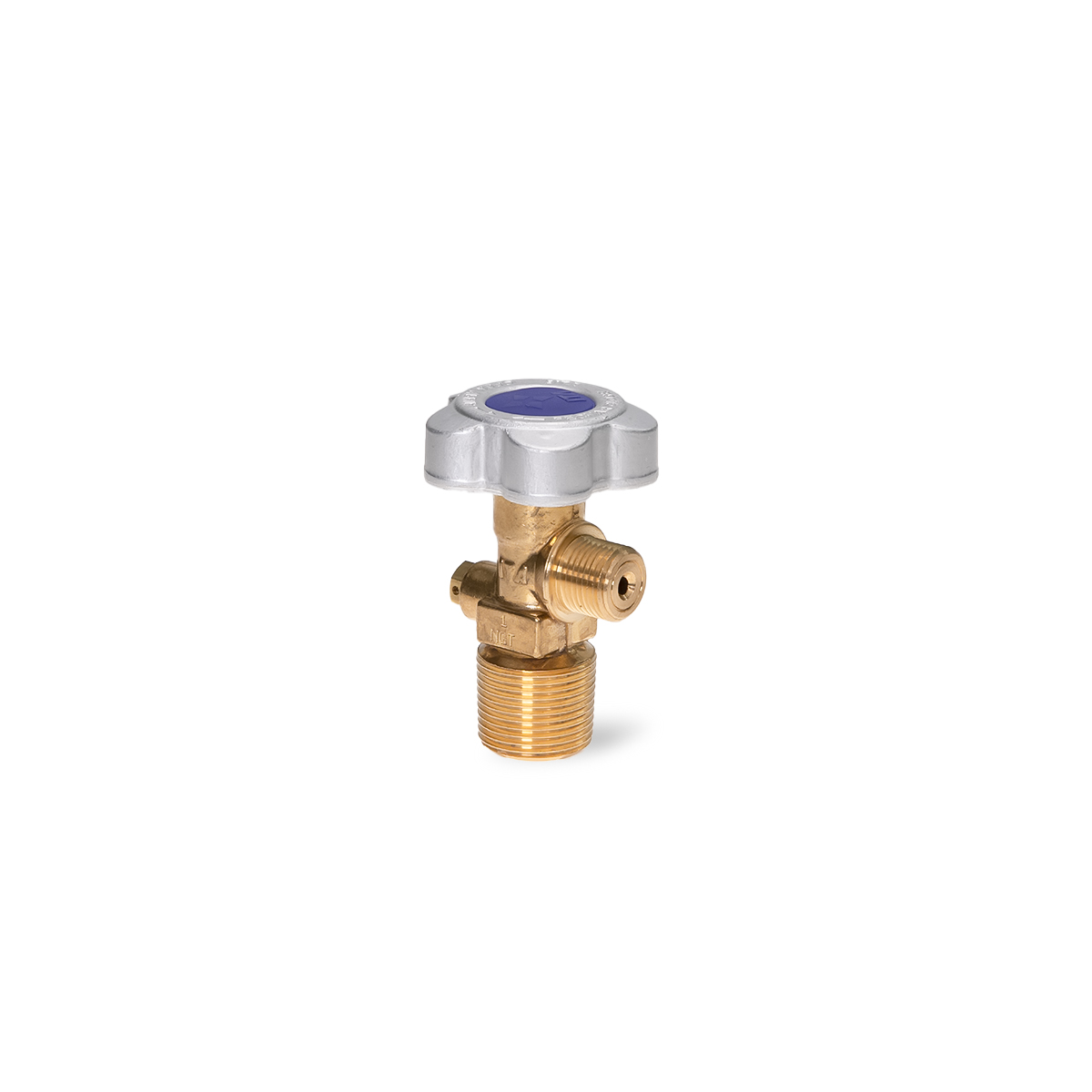
High-pressure oxygen reacts with oil, grease and particles, which can start an ignition inside the valve. That is why oxygen and oxidizing-mixture valves need:
- Specific cleaning for oxygen service, with no oil residue or particles.
- Assembly in a controlled environment. At ITA, cleaning and assembly are done in an approved clean room.
- Oxygen-compatible materials in seals and lubricant.
5. Standards and testing
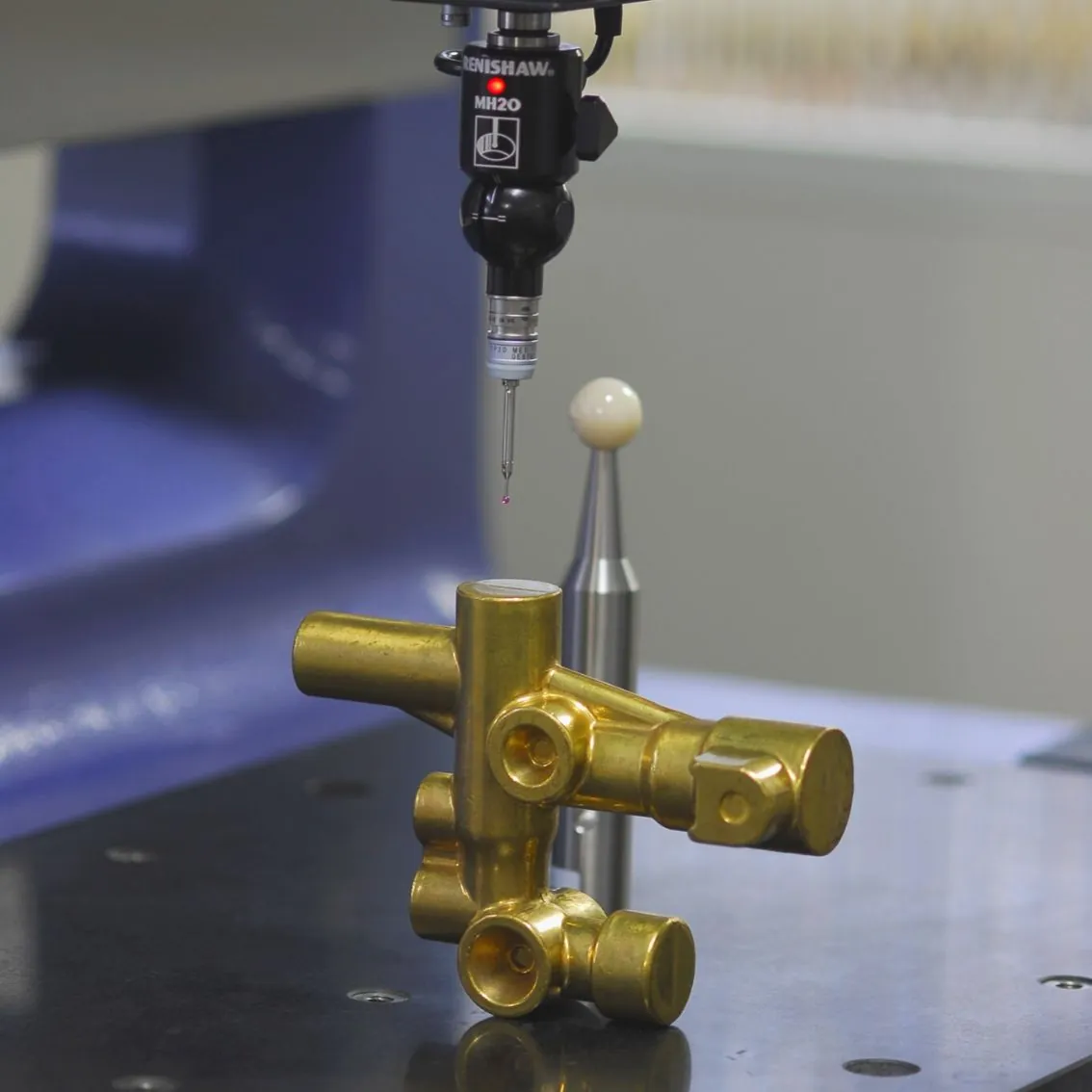
ITA valves are designed and tested to ISO 10297, the international standard for gas cylinder valves, and have connections to ABNT NBR 11725. ISO 10297 defines design requirements and tests such as pressure resistance, leak tightness, operating torque and endurance over opening and closing cycles.
In our own laboratory, ITALAB, in operation since 2004, 100% of valves are tested before leaving the plant. ITALAB follows INMETRO Ordinance 200/2021 and is partially aligned with ABNT NBR ISO/IEC 17025. ITA is certified to ABNT NBR ISO 9001:2015 by Fundação Vanzolini. Learn more about our quality department and ITALAB.
Beyond the valve: filling and distribution accessories
- Cylinder bundle blocks, with one or two outlets, for manifolded cylinder packs.
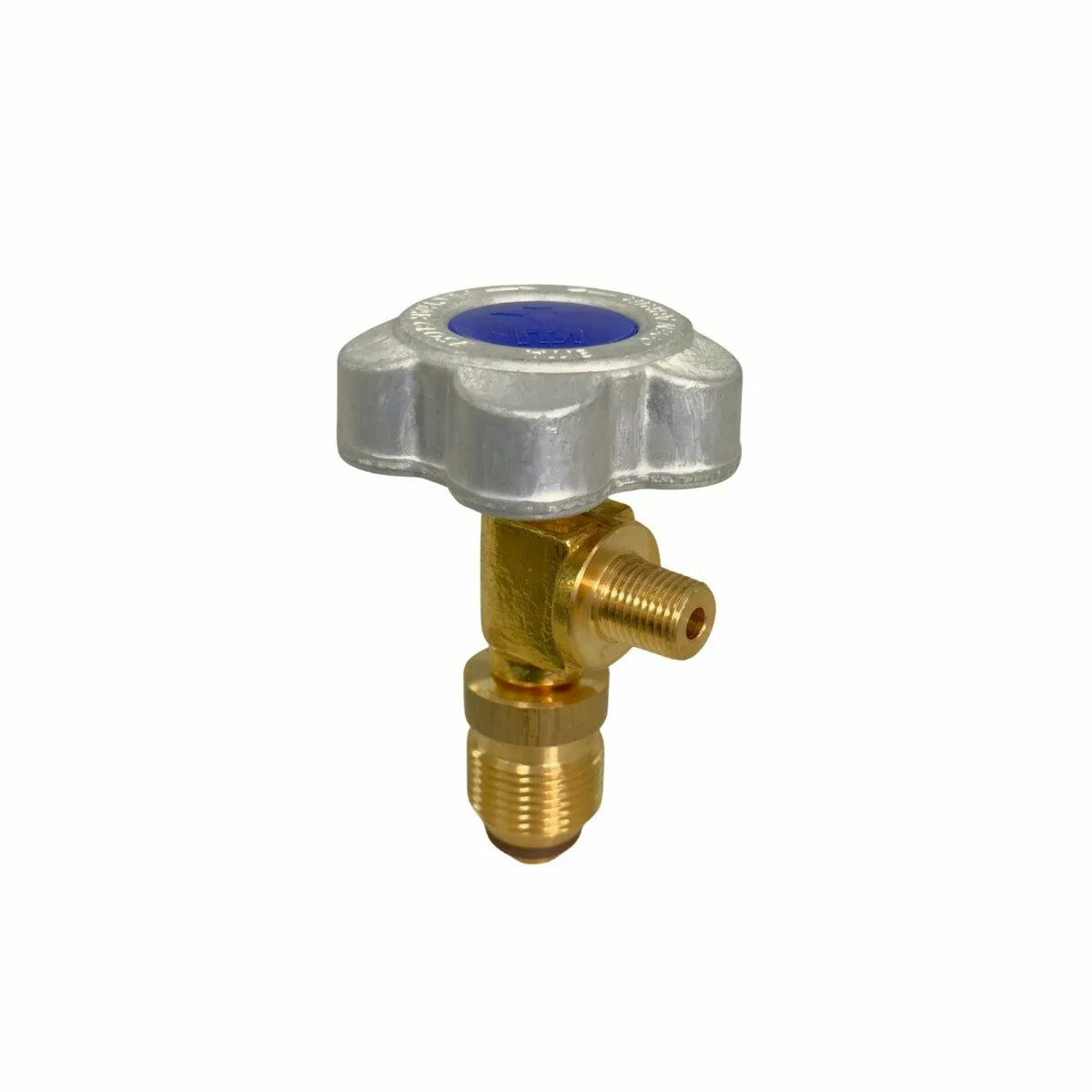
- Dual-outlet valves, to feed two points from the same cylinder.
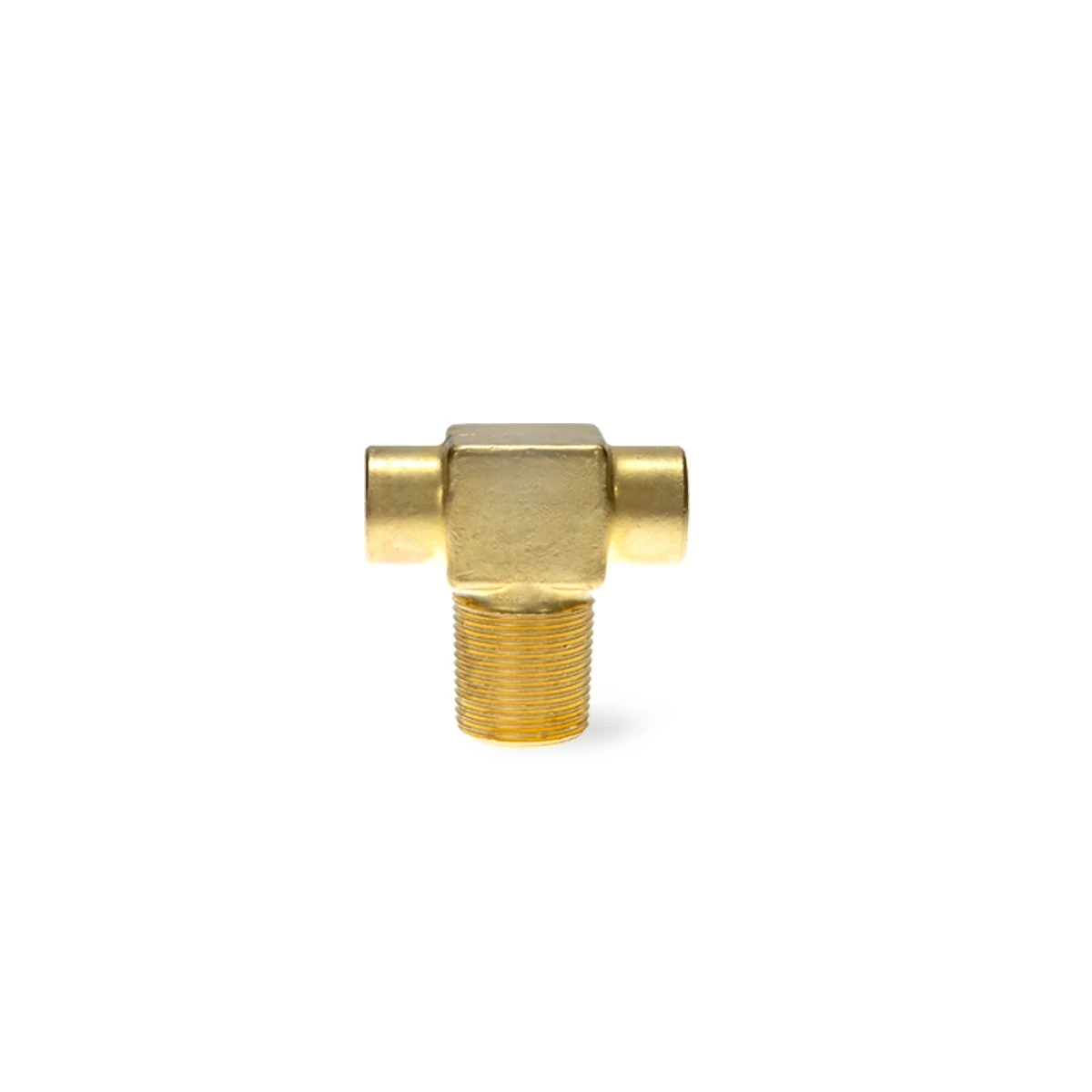
- Swivel elbows 218-1 and 245-1, for filling lines.
- Spare parts: spindles, seals, handwheels and safety devices.
- Chrome finish and special threads on request.
Checklist to order the right valve
- Which gas or mixture will be filled?
- What is the cylinder inlet thread (see the marking on the neck)?
- What is the filling pressure?
- Is a safety device required?
- Any extra requirements: dual outlet, chrome finish, end-customer standard?
- What is the annual volume?
Frequently asked questions
Which standard defines the outlet connection of cylinder valves in Brazil?
ABNT NBR 11725. It assigns each gas family its own connection, identified by a code such as 218-1 (oxygen) or 245-1 (inert gases).
What is the difference between 3/4″ NGT and 25E threads?
Both are tapered and seal on the thread itself. The 3/4″ NGT follows the American standard and is the most common in Brazil. The 25E follows the European standard and appears in imported cylinders.
Why does the acetylene valve have a left-hand thread?
Flammable gases use left-hand threads so that an oxidizing or inert gas regulator cannot be connected by mistake.
What is the working pressure of ITA valves?
The standard line works at 250 bar. We have 280 and 300 bar versions for high-pressure cylinders.
Are oxygen valves cleaned for oxygen service?
Yes. Cleaning and assembly are done in an approved clean room.
Do you test every valve?
Yes. 100% of valves are tested at ITALAB, our own laboratory, before delivery.
Request a quote
See our full line of Valves for Industrial Gas Cylinders or send the gas, inlet thread, pressure and annual volume to contato@itaindustrial.com.br or through our Contact page. Our technical team will recommend the right model for your cylinder.